Eat Sleep Locksmith Repeat Locksmithing: A Designer’s Real-World Embroidery Review
First Impressions: A Fun, Niche Design with Crafty Charm
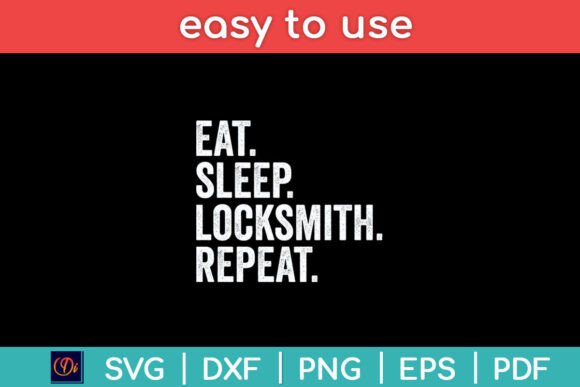
As someone who reviews and tests embroidery designs for real use in custom projects, my first reaction to Eat Sleep Locksmith Repeat Locksmithing was a smile. It’s a lighthearted, niche design that clearly speaks to a specific audience—locksmiths, hobbyists, and those who appreciate trade humor. The layout is clean and straightforward, with bold lettering and just enough thematic flair to stand out without overwhelming the eye. It’s the kind of design that would feel right at home on a small shop tote bag or a personalized sweatshirt for a locksmith business owner.
Real-Life Embroidery Use: Where It Shines and Why
I tested this design on a few different materials and product types to see how it holds up beyond just screen previews. Here’s where Eat Sleep Locksmith Repeat Locksmithing really works well:
- Custom sweatshirts and hoodies – The lettering is large enough to read clearly but not so bold that it feels bulky on the fabric. It adds a personal, humorous touch that makes the item feel custom-made.
- Embroidered tote bags – On a medium-weight cotton tote, the design stitched out cleanly and added a bit of personality that Etsy buyers or boutique shoppers would appreciate.
- Personalized baby items – I tried a scaled-down version on a baby burp cloth for a locksmith-themed baby shower gift. It came out nicely, though I had to adjust the size and thread colors carefully to keep it soft and safe.
- Commercial patches – When stitched as a patch, the design maintained its clarity and readability, making it a solid option for small business branding or employee apparel.
Where to Be Careful: Practical Considerations for Real Use
Like any embroidery file, Eat Sleep Locksmith Repeat Locksmithing has its limits. Here are a few things to keep in mind before stitching:
- Small hoop sizes – The full design may not fit comfortably in smaller hoops without scaling, which can affect readability and detail.
- Stretchy or thin fabrics – These materials may distort the satin stitches or cause puckering if not stabilized properly.
- Dark fabric backgrounds – If using light thread, test contrast first—especially on the smaller letters. Some details may not pop as expected.
- Curved surfaces like caps – The straight layout of the design doesn’t naturally conform to curved surfaces. Extra attention to placement and hooping is needed.
- Frequent-wash items – The satin and fill stitches should hold up well if stitched correctly, but high-density areas may wear faster over time.
Design Impact: How It Elevates Your Craft and Customer Experience
This design does more than just stitch out—it tells a story. Whether you're creating a personalized gift or a small batch of branded merchandise, Eat Sleep Locksmith Repeat Locksmithing adds a touch of personality that resonates with the right audience. Here’s how it impacts your work:
- Visual appeal – The clean layout and consistent spacing make it visually balanced and easy to integrate into a variety of products.
- Stitching clarity – The file stitches out crisply on most machines, assuming proper thread tension and stabilizer use.
- Product value – Adds a custom, boutique feel to even basic items like tea towels or kitchen aprons.
- Customer trust – A well-executed design like this can make your work feel more professional and intentional.
- Brand consistency – Especially useful for niche businesses looking to reinforce their identity through humor and trade-specific messaging.
Designer Notes: What to Test Before You Stitch
Before you commit to using Eat Sleep Locksmith Repeat Locksmithing in a client project or product line, here are a few practical steps I recommend:
- Test on scrap fabric – Always start with a sample to catch any issues with thread tension, stitch density, or fabric compatibility.
- Check thread color contrast – Especially if you’re using the design on dark or patterned fabric.
- Review stitch density – Make sure fill areas aren’t too tight or too loose for your chosen fabric.
- Confirm hoop size – Don’t assume the design fits your hoop—measure and scale accordingly.
- Inspect small details – The smaller letters may require adjustments depending on the fabric type.
- Test black and white mockups – Helps visualize how the design will look without color distractions.
- Compare light and dark backgrounds – Some elements may need thread color swaps for optimal visibility.
- Use proper stabilizer – Especially important on stretchy or thin materials.
- Check licensing – If you’re selling finished products or digital mockups, confirm that the design allows for commercial use.
Final Thoughts: A Worthy Addition to Your Embroidery Design Kit
As a designer who evaluates embroidery files for real-world use, I’d say Eat Sleep Locksmith Repeat Locksmithing is a solid, usable design for small craft businesses, Etsy sellers, and creative entrepreneurs. It’s not overly complex, which makes it versatile, and it has that important “personality” factor that makes custom embroidery feel special. Whether you're making a boutique sweatshirt, a personalized gift, or a small run of embroidered patches, this design has the potential to add value and charm to your work—if used thoughtfully.