Eat Sleep Art Repeat: A Designer's Review
As a designer who spends countless hours translating digital concepts into tangible stitched goods, I approach every new machine embroidery design with a mix of excitement and skepticism. The market is flooded with generic patterns, but occasionally, a piece arrives that captures the specific spirit of the maker community. That is exactly my first impression of Eat Sleep Art Repeat Artist Creative Fun. This isn't just another phrase; it is a statement of identity for the creative entrepreneur. However, before I commit to stitching this onto a client's order or listing it in my own shop, I need to evaluate how it translates from a screen to fabric.
The Visual Personality and First Impression
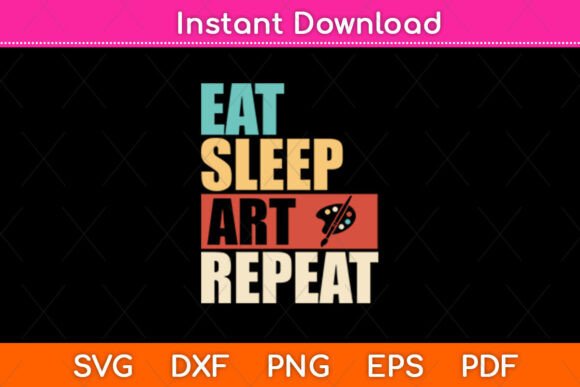
When I first opened the file for Eat Sleep Art Repeat Artist Creative Fun, the layout immediately spoke to me. The typography feels playful yet structured, balancing the "fun" aspect of the slogan with the professional dedication of an artist. In the world of Graphics intended for Crafts, clarity is king. This design manages to keep the text legible while maintaining a whimsical vibe that appeals to hobbyists and professionals alike.
Visually, the shape suggests a balanced composition that would work well as a central motif. It doesn't feel cluttered, which is a common pitfall when combining three distinct actions like "Eat," "Sleep," and "Art." For a designer, this means less time spent adjusting spacing in the digitizing software and more time focusing on thread selection. The mood it creates is one of lighthearted passion, making it an ideal candidate for custom apparel meant to spark conversation.
Real-World Application: From Hoop to Finished Product
To truly understand the value of Eat Sleep Art Repeat Artist Creative Fun, I visualized a specific project: a high-quality, heavy-weight canvas tote bag for a local art supply boutique. Imagine a customer walking into a small shop, looking for a gift for their friend who is a graphic designer. They pick up a tote featuring this design, embroidered in vibrant teal and coral against a natural beige background. The contrast is striking, and the message resonates instantly.
In this scenario, the design serves as more than decoration; it builds brand consistency for the boutique and offers a personalized touch for the buyer. Whether used for sweatshirt embroidery at a craft fair or creating a limited run of embroidered patches for Etsy sellers, the versatility of the phrase allows it to fit various product lines. I can also see this working beautifully on baby embroidery items for parents who want to instill creativity early, perhaps on a onesie or a soft blanket. The playful nature of the text makes it perfect for holiday gifts or wedding favors for creative couples.
For those running a craft business, having reliable design assets like this is crucial. It reduces the stress of sourcing unique content and ensures that your finished product looks professional. When I think about commercial embroidery projects, the ability to quickly adapt a design like this for different fabrics—such as aprons for chefs who love to paint or pillow covers for home decor—is a significant advantage.
Technical Considerations for Embroidery Designers
While the concept is strong, the execution depends heavily on technical details. Since this is described as an instant download file compatible with cutting machines like Cricut Explore, Silhouette Cameo, and others, it is important to note that using it for actual machine embroidery requires conversion if you do not already have the .PES, .DST, or similar stitch files. If you are planning to use this as an applique design, the clean lines of the text will cut cleanly, but you must ensure the backing stabilizer is robust enough to handle the tension.
If you are converting this to a standard fill stitch or satin stitch embroidery file, pay close attention to the lettering size. Tiny text can become muddy if the stitch density is too high. I always recommend testing the design on scrap fabric first. Check how the thread colors interact with the fabric texture. For example, on a dark sweatshirt, you might need a white underlay to make the colors pop, whereas on a light tote bag design, a single layer might suffice.
Another critical factor is the hoop size. Ensure your machine can accommodate the full width of the phrase without needing to re-hoop, which can lead to alignment issues. If you are working with curved surfaces like caps or hats, the text may need to be adjusted to follow the curve naturally. Always inspect small details after the test run; sometimes, the inner corners of letters like "A" or "R" can pull together if the digitizing isn't precise.
Where Caution Is Advised
Despite its appeal, Eat Sleep Art Repeat Artist Creative Fun is not a universal solution for every project. I advise caution when using this design on very thin or highly stretchy fabrics. The weight of the thread could cause puckering, ruining the aesthetic of a delicate garment. Similarly, on textured fabrics like denim or heavy wool, the fine details of the font might get lost unless you increase the stitch count significantly, which adds cost and time.
Products that require frequent washing, such as kitchen towels or baby clothes, demand extra durability. You must confirm that the thread type and stabilizer used can withstand repeated laundering without fraying. Additionally, avoid placing this design on areas of a garment that experience high friction, such as the cuff of a sleeve, as the stitches may wear down faster. For layered garments, ensure the design sits flat and doesn't create bulk between layers.
Maximizing Value and Professionalism
Ultimately, the success of Eat Sleep Art Repeat Artist Creative Fun lies in how well it enhances the perceived value of your handmade products. A well-executed embroidery project signals quality to the customer. It transforms a simple item into a personalized gift or a premium small shop product. When customers see clear, crisp stitching with thoughtful color choices, their trust in your brand increases.
For the Etsy seller or digital product seller, presenting this design effectively is key. Use printable mockups to show potential buyers how the design looks on various items before they purchase. Show it on a cap, a pillow, and a shirt to demonstrate versatility. However, always check the licensing terms before selling finished items or digital versions. While the description mentions it is for use with cutting machines, verify if commercial rights are included for embroidery specifically.
In conclusion, Eat Sleep Art Repeat Artist Creative Fun is a strong contender for any designer's portfolio. It captures the essence of the maker movement and offers a fun, relatable message. With careful attention to digitizing, fabric choice, and testing, it can become a staple in your collection of embroidery projects. Whether you are creating a one-off custom piece or launching a new line of merchandise, this design has the potential to bring joy and professionalism to your work.