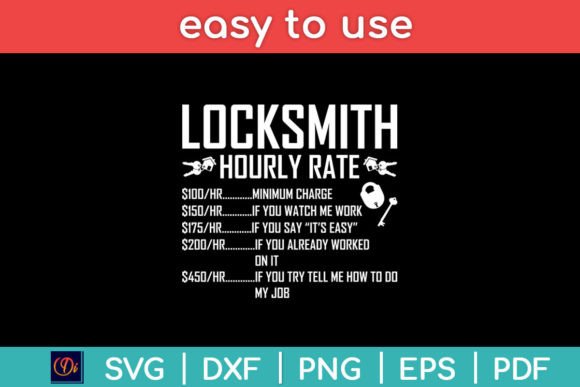
Locksmith Lockpicking Locksmith Hourly: A Designer Review
As someone who has spent years navigating the intersection of digital design and physical stitching, I approach every new machine embroidery design with a critical eye. It is not enough for a graphic to look good on a screen; it must translate seamlessly into thread, stabilizer, and fabric. Recently, I evaluated the Locksmith Lockpicking Locksmith Hourly design, a piece that immediately caught my attention for its bold humor and niche appeal. While the source file is marketed as an SVG print cut file compatible with Cricut and Silhouette machines, the underlying Graphics are robust enough to inspire a high-quality embroidered interpretation. Here is my practical assessment of how this design performs when moved from the digital realm to real-world craft projects.
First Impressions: Visual Weight and Personality
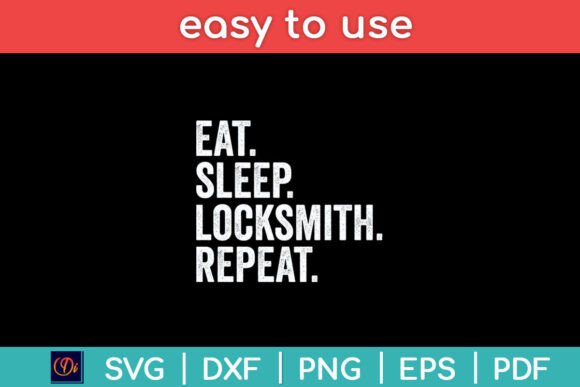
The first thing you notice about Locksmith Lockpicking Locksmith Hourly is its straightforward, no-nonsense attitude. The layout relies heavily on typography and simple iconography, which is a double-edged sword in the world of embroidery. On one hand, clean lines often stitch beautifully without the risk of thread bunching or registration errors common in complex illustrations. On the other hand, the lack of intricate detail means the success of the project rests entirely on font choice and stitch direction. The mood is distinctly professional yet cheeky, perfectly capturing the frustration and humor inherent in the trade. For a craft business targeting tradespeople, this visual personality is a goldmine. It screams "insider knowledge," making it an ideal candidate for custom apparel or promotional items designed to build rapport with a specific audience.
From Screen to Stitch: Real-World Application
I recently imagined using this design for a custom embroidered tote bag intended as a gift for a local locksmith friend. The concept was to create a durable, everyday item that doubles as a conversation starter. When translating the Locksmith Lockpicking Locksmith Hourly graphic into an embroidery file, the focus shifts to texture and dimension. Unlike a vinyl cut where the surface is flat, embroidery adds a tactile element. I found that the text-heavy nature of the design benefits significantly from a combination of satin stitch for the lettering and a tight fill stitch for any background elements. This contrast creates a premium feel that elevates the finished product beyond a simple printed t-shirt.
In the context of sweatshirt embroidery, this design holds up remarkably well. The boldness of the phrase ensures legibility even from a distance, which is crucial for hoodies worn at job sites or trade shows. However, if you were considering this for baby embroidery or delicate nursery decor, I would advise caution. The subject matter is too industry-specific and potentially confusing for young children, and the density required to make the text pop might be too heavy for lightweight cotton blends. Instead, this design shines on heavier fabrics like denim jackets, canvas aprons, or sturdy pillow covers where the weight of the stitching can be supported by the material.
Navigating Technical Challenges
While the design is versatile, there are specific scenarios where Locksmith Lockpicking Locksmith Hourly requires careful handling. One major consideration is the hoop size. Because the phrase includes multiple words, it may exceed the dimensions of a standard 4x4 inch hoop. If you attempt to force it into a small area, you will inevitably compromise the stitch density, leading to thin, weak lettering that looks unprofessional. Always check your machine's maximum field before committing to the project. If the design is too large, consider breaking it into two separate hoops or scaling it down slightly, provided the text remains readable.
Fabric texture is another critical factor. On smooth surfaces like polyester blends or tightly woven cotton, the design stitches cleanly. However, on textured fabrics like fleece or knitwear, the running stitch used for outlines might sink into the pile, obscuring details. In these cases, using a tear-away stabilizer is non-negotiable to prevent puckering. Furthermore, if you plan to use this on dark fabric, you must account for underlay stitches to ensure the thread colors stand out. Without proper underlay, light-colored threads on a black hoodie can look muddy and dull, diminishing the impact of the humorous message.
Commercial Viability and Brand Consistency
For the Etsy seller or small shop owner looking to expand their inventory, this design offers excellent potential for commercial embroidery. Tradespeople love gear that reflects their profession, and a personalized gift featuring this slogan could become a best-seller during holiday seasons. Imagine a collection of holiday embroidery items, such as Santa hats or stockings, customized with this phrase for a fun twist. The key to success here is consistency. Ensure that the finished product maintains high quality across all items. A sloppy stitch job on a tote bag design can damage your brand reputation just as quickly as a great design can build it.
When creating printable mockups to showcase the design in your online store, accuracy is vital. Do not simply paste the SVG image onto a photo of a shirt. Instead, take photos of actual stitched samples to show customers the true depth and texture of the work. This transparency builds trust and helps buyers visualize the final result. Additionally, remember that while the original file is an SVG for cutting machines, converting it to an embroidery file requires digitization skills. If you are selling the digital files themselves, ensure you have the rights to do so and clearly state the licensing terms to avoid legal issues.
Practical Notes for the Embroidery Designer
Before you start stitching Locksmith Lockpicking Locksmith Hourly on a client's prized possession, always test the design on scrap fabric first. This step allows you to adjust tension, verify thread colors, and check for any skipped stitches. Pay close attention to the corners of the letters; sharp angles can sometimes cause thread breaks or bird nesting if the needle changes direction too abruptly. If the design includes tiny lettering, consider increasing the point size slightly to ensure clarity after stitching.
Finally, think about the end user. Will this item need to withstand frequent washing? If so, reinforce the edges and use high-quality thread that resists fading. Whether you are creating a personalized gift for a friend or producing merchandise for your small shop product line, the goal is to deliver a piece that feels substantial and well-made. By paying attention to these details, you transform a simple graphic into a cherished keepsake that truly represents the spirit of the trade.